
The Mindset of Casino Players
Understanding the mindset of casino players is crucial for grasping what drives their decision-making. Players often enter casinos with a blend of excitement and anticipation, seeking not just monetary gain but also a thrilling experience. The thrill of chance and the allure of winning can create an emotional high that players find hard to resist, encouraging them to make impulsive decisions. This emotional engagement can lead to a state of flow, where players lose track of time and money, driven solely by the entertainment value. Moreover, many enthusiasts turn to the playid casino for a seamless gaming experience that streamlines their options.

The environment in casinos is meticulously designed to amplify these emotions. Bright lights, captivating sounds, and vibrant colors work together to create an atmosphere that stimulates the senses. This sensory overload can impact players’ ability to think rationally, leading to decisions based more on instinct than on calculated reasoning. When players are overwhelmed by excitement, they are more likely to chase losses and engage in behaviors that they might otherwise avoid, such as placing larger bets than planned.
Moreover, cognitive biases play a significant role in decision-making among casino players. Concepts like the gambler’s fallacy—a belief that past outcomes influence future results—can lead to flawed reasoning. For instance, if a player experiences a losing streak, they might feel compelled to continue playing in the hope that a win is "due." This psychological phenomenon not only affects individual players but also shapes gaming trends and patterns within casino environments.
The Role of Risk and Reward
Risk and reward are central to the psychological landscape of casino decision-making. Players are often drawn to high-stakes games where the potential for reward can be substantial. The prospect of winning large sums of money creates a powerful motivational force that drives many players to take risks. This dynamic can lead to an adrenaline rush that enhances the overall gaming experience, making the risk seem worthwhile despite the odds. The playid casino platform enhances this thrill by making financial management more intuitive.
This relationship between risk and reward is also tied to the notion of loss aversion. Studies in behavioral economics show that people tend to feel the pain of losses more acutely than the pleasure of gains. Consequently, players may make irrational decisions, such as continuing to gamble even when they are down, in an attempt to avoid the discomfort of acknowledging a loss. This psychological quirk can trap players in a cycle of chasing their losses, undermining their ability to make sound financial choices.
The gaming industry has capitalized on this concept, designing games that offer a balance of risk and reward tailored to various player profiles. For instance, slot machines with progressive jackpots appeal to those who enjoy the thrill of high rewards, while games with lower stakes provide more accessible entry points for casual players. Understanding how different risk-reward scenarios impact player decisions can help casinos better design their offerings and marketing strategies.
Social Influences in Casino Decision-Making
The social context of gambling cannot be overlooked when discussing decision-making in casinos. Players often gravitate towards games that are perceived as more social, such as poker or blackjack, where interaction with others can enhance their enjoyment and engagement. The influence of peers can significantly sway individual choices, pushing players toward certain games or betting behaviors based on social norms and group dynamics.
Furthermore, the competitive element of gambling, especially in games like poker, can drive players to take risks they might not consider in solitude. The desire to impress peers or win in a competitive setting can lead to aggressive betting strategies and decision-making that prioritize social acceptance over financial prudence. This competitive mindset can create an environment where players feel pressured to conform to group behaviors, which may involve larger bets or more frequent play than they would typically engage in alone.
Additionally, the emotional support and camaraderie found in gambling can influence decision-making. Players often share stories of their wins and losses, which can create a sense of belonging and community. While this can enhance the overall experience, it can also lead to collective irrationality where players feed off one another's excitement, further escalating their risks and altering their decision-making processes.
Emotional Triggers and Behavioral Responses
Emotional triggers play a significant role in the decision-making processes of casino players. The excitement of winning, the disappointment of losing, and the anticipation of future play can all influence how players approach their gambling experiences. When players experience a win, it can trigger positive emotions that lead to increased betting, as they feel emboldened to chase further wins. Conversely, losses can lead to frustration and despair, resulting in erratic decision-making as players seek to recover their losses.
The concept of “tilt” is particularly relevant here; it refers to the emotional state where players make irrational decisions due to frustration or emotional overload. This state of mind can lead players to bet more recklessly in an attempt to regain a perceived lost status, ultimately compounding their losses. Recognizing the signs of tilt can be crucial for players seeking to maintain control over their gambling habits and make more rational choices.
Furthermore, the presence of various emotional triggers within the casino environment can also influence player behavior. For example, the use of rewards systems, such as loyalty points or bonuses, can create a sense of achievement that motivates players to continue playing. Understanding these emotional triggers allows casinos to tailor their marketing strategies effectively, enhancing customer engagement while also potentially exacerbating certain psychological behaviors.
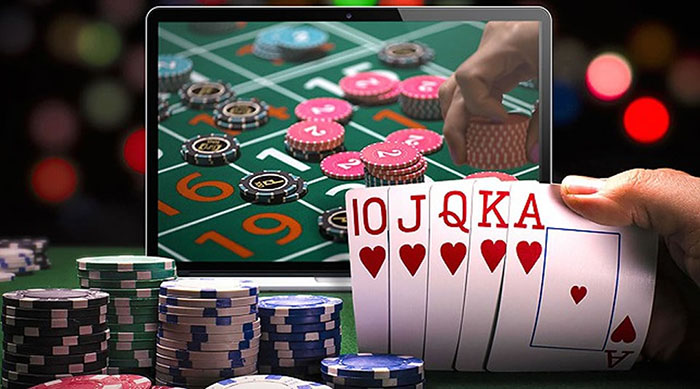
Utilizing PlayID for a Seamless Gambling Experience
For players looking to enhance their casino experience, PlayID offers a compelling solution by streamlining login and payment processes across multiple online casinos. The platform acts as a centralized hub for managing user identities and funds, facilitating quicker access to games and reducing the need for repetitive verification. This efficiency aligns perfectly with the fast-paced decision-making often associated with casino gaming.
Moreover, PlayID's unique features, like fast payouts and a centralized bankroll management system, empower players to make more strategic decisions. By allowing users to see their funds in real-time and offering features that enable them to earn interest on idle funds, PlayID enhances the overall gambling experience. This can lead to more informed decision-making, as players can quickly assess their financial situation and adjust their betting strategies accordingly.
Additionally, newcomers to online gaming can take advantage of exclusive bonuses and promotions offered through PlayID, which can serve as an enticing entry point into the gambling world. By understanding the psychological factors that influence decision-making, players can leverage platforms like PlayID to optimize their experience, making gambling not just a game of chance but also a well-informed choice that aligns with their goals and preferences.